More than one in four consumers consider clean label as an important indicator of health. A significant portion of consumers, nearly 41%, are familiar with the term "clean label," and 78% find it appealing once it is defined to them
A large number of consumers, about 78%, are willing to pay more for products that make natural claims, including those labeled as clean label. This willingness persists despite overall economic pressures such as inflation, suggesting a strong consumer commitment to healthier and more transparent products.
Clean Label and Consumer Shopping Labels
The market for clean label ingredients and products is expected to continue growing, driven by consumer demand for natural and transparent product labels. This trend is reflected across various product categories and is particularly prominent in products aimed at children and everyday food items.
A survey conducted by Beneva Market Insights found that over one in four consumers prioritize clean label products as a route to healthier eating. The same survey noted that clean label products are increasingly associated with environmental sustainability.
Nearly one in three new products launched come with some type of clean label claim. Among these, claims related to the absence of additives and preservatives are the most common.
Consumer understanding and demands around clean labels vary significantly across regions. For instance, in North America, clean label often focuses on the absence of additives, whereas in Asia, the focus may shift more towards environmental sustainability.
A study by Beneva highlighted that nearly half of the global consumers surveyed (46%) are willing to pay 20-30% more for products carrying a natural claim. This indicates a strong market potential for clean label products despite economic constraints like inflation.
Brands that adopt clean label practices are not only meeting consumer demands but are also seeing an increase in sales velocity, which suggests a competitive advantage in the marketplace.
In today’s food industry, the clean label movement offers a crucial opportunity for manufacturers to align with the increasing consumer demand for transparency and natural ingredients. Beneva providing solutions that not only meet but exceed consumer expectations with cost-effective and appealing ingredients. Our research shows that nearly half of consumers are willing to pay 20-30% more for products with natural claims, highlighting a profitable avenue for food manufacturers
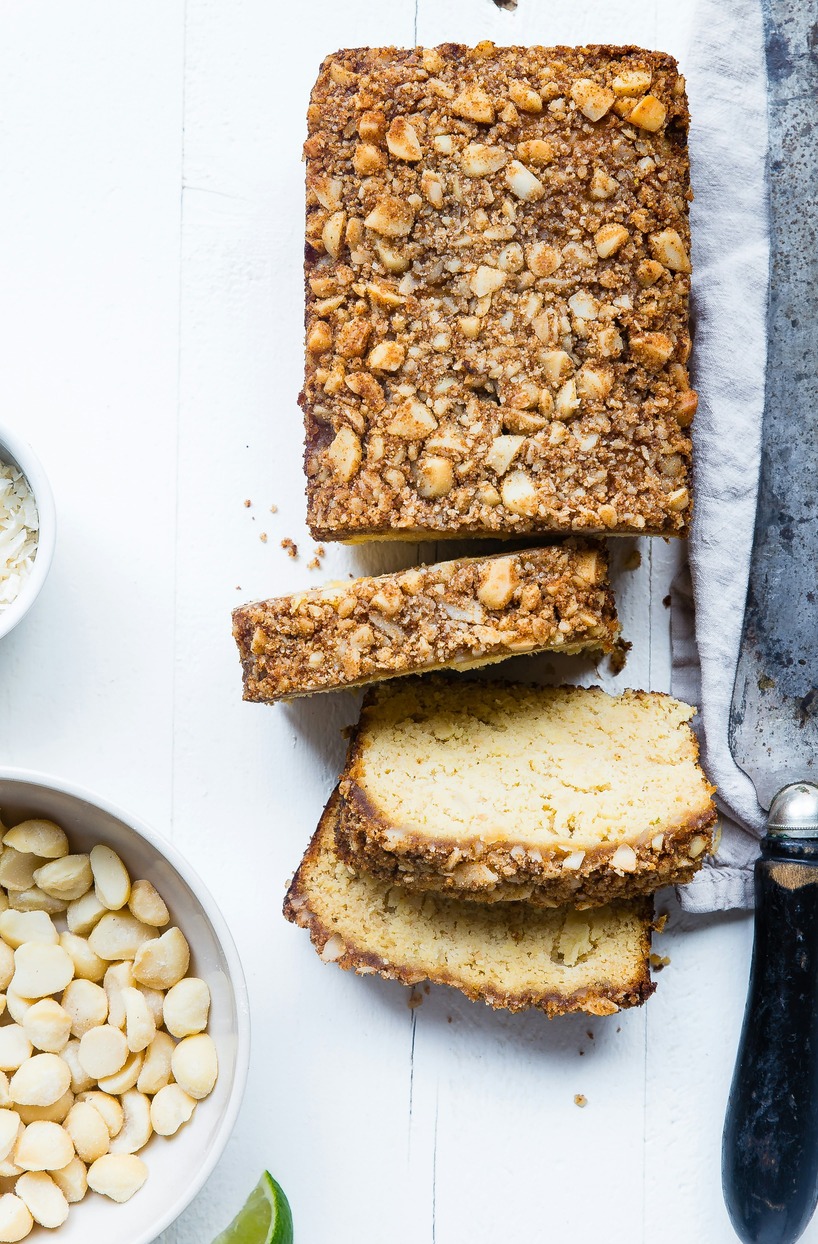

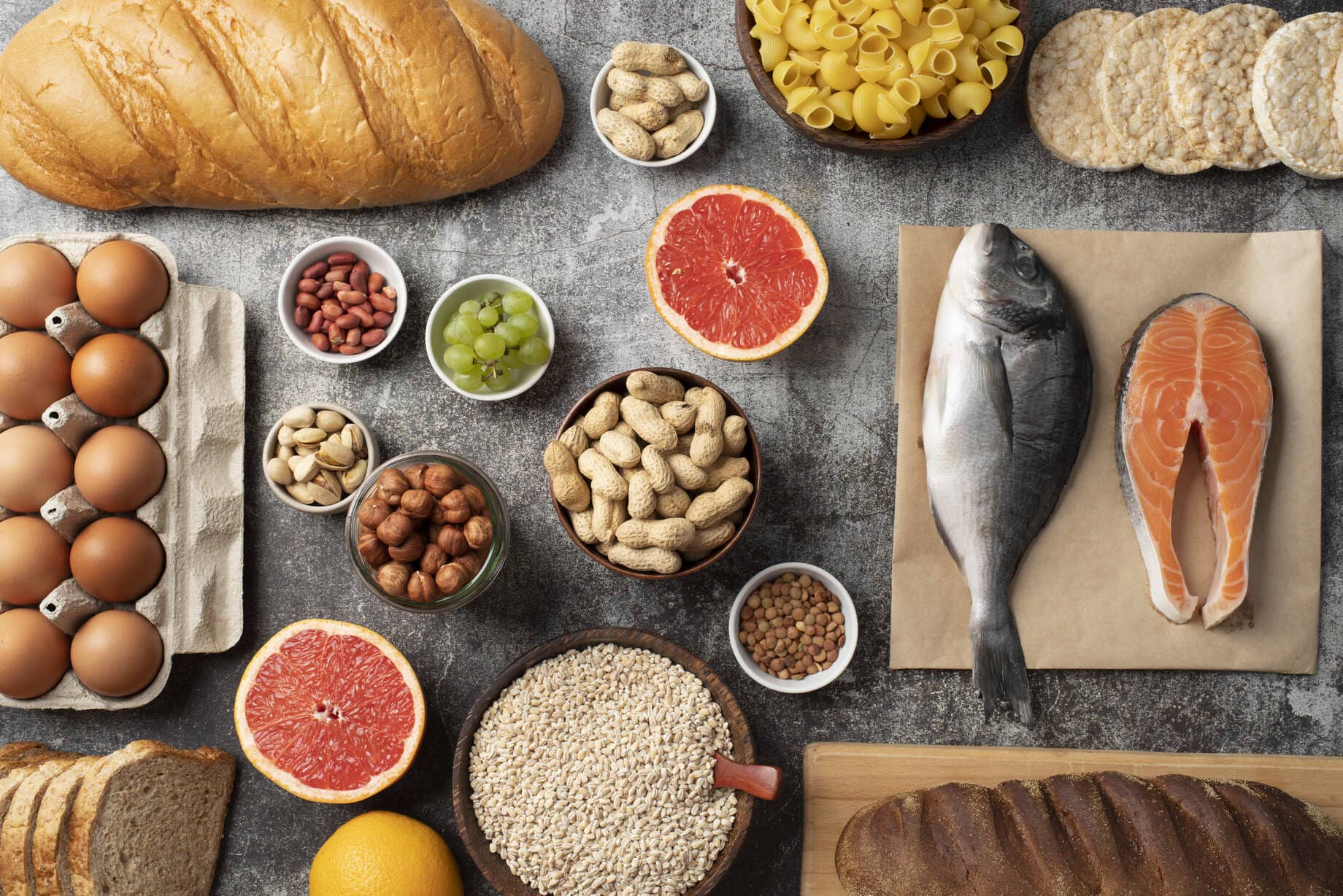
The 2010s witnessed a surge in interest towards functional foods—foods with benefits beyond basic nutrition. Consumers started prioritizing foods with added health benefits, such as probiotics, omega-3 fatty acids, and antioxidants. This period also saw the rise of dietary restrictions and preferences, with gluten-free, vegan, and paleo diets becoming mainstream.
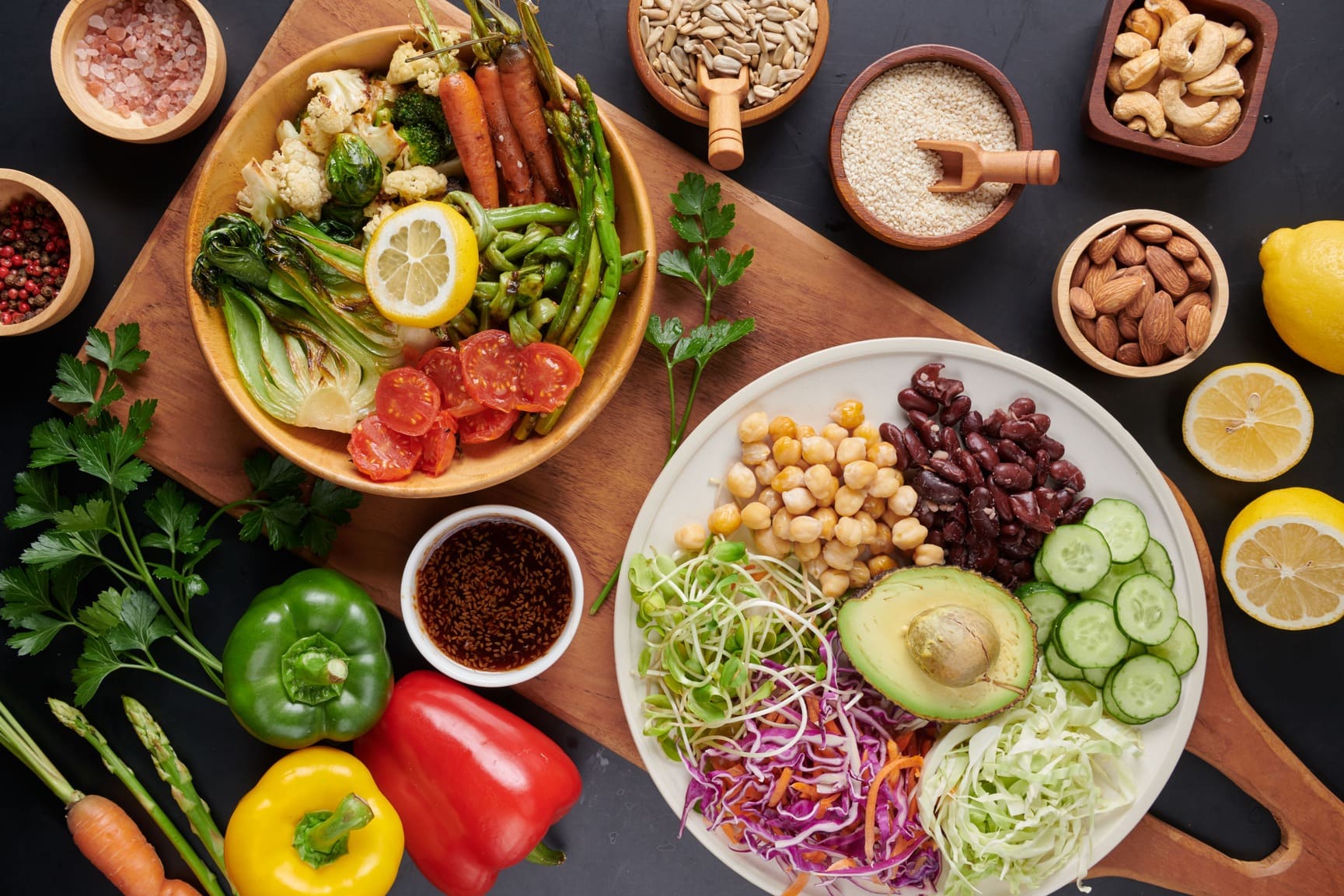
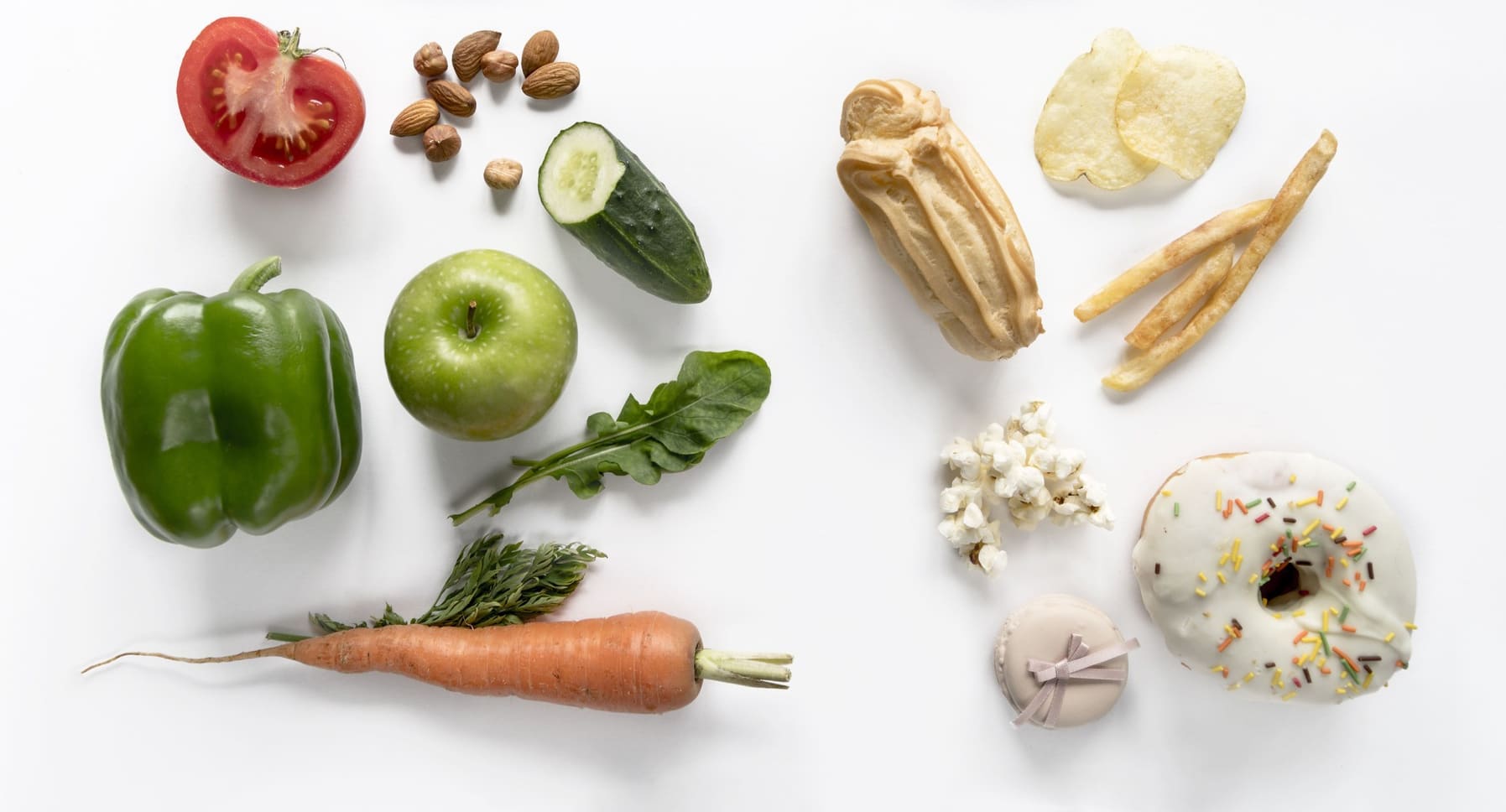
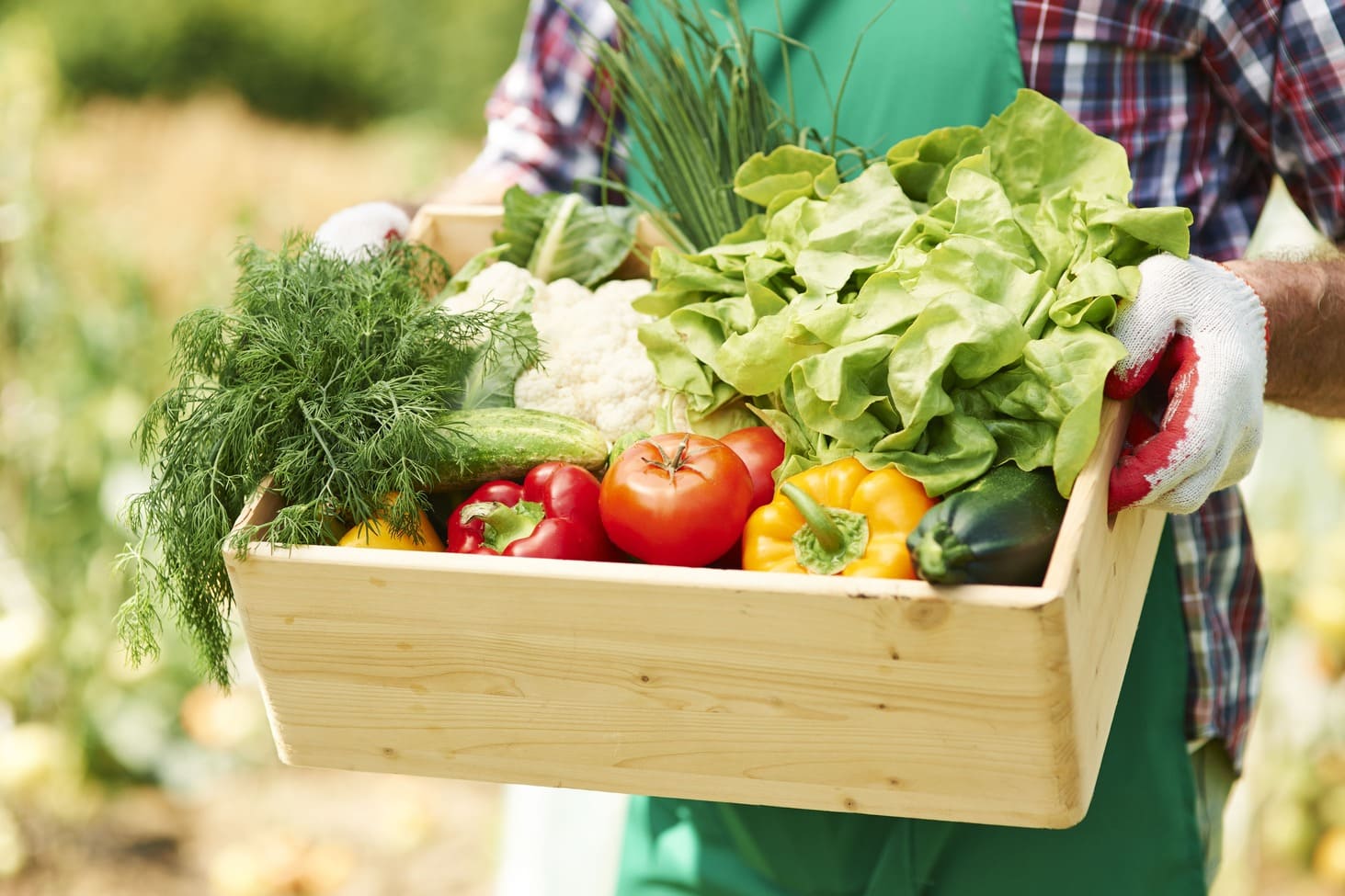
Today, the focus is increasingly on clean label products—those with fewer and more natural ingredients. The clean label movement aligns with a broader consumer demand for transparency and sustainability in food production. People are more interested than ever in where their food comes from, how it’s made, and its environmental impact.
This transition reflects a broader cultural shift towards wellness and health-consciousness, with consumers not only looking for healthier options but also demanding that these options are sustainably and ethically produced. The evolution continues as emerging research and consumer insights drive the food industry to innovate and cater to these sophisticated preferences.