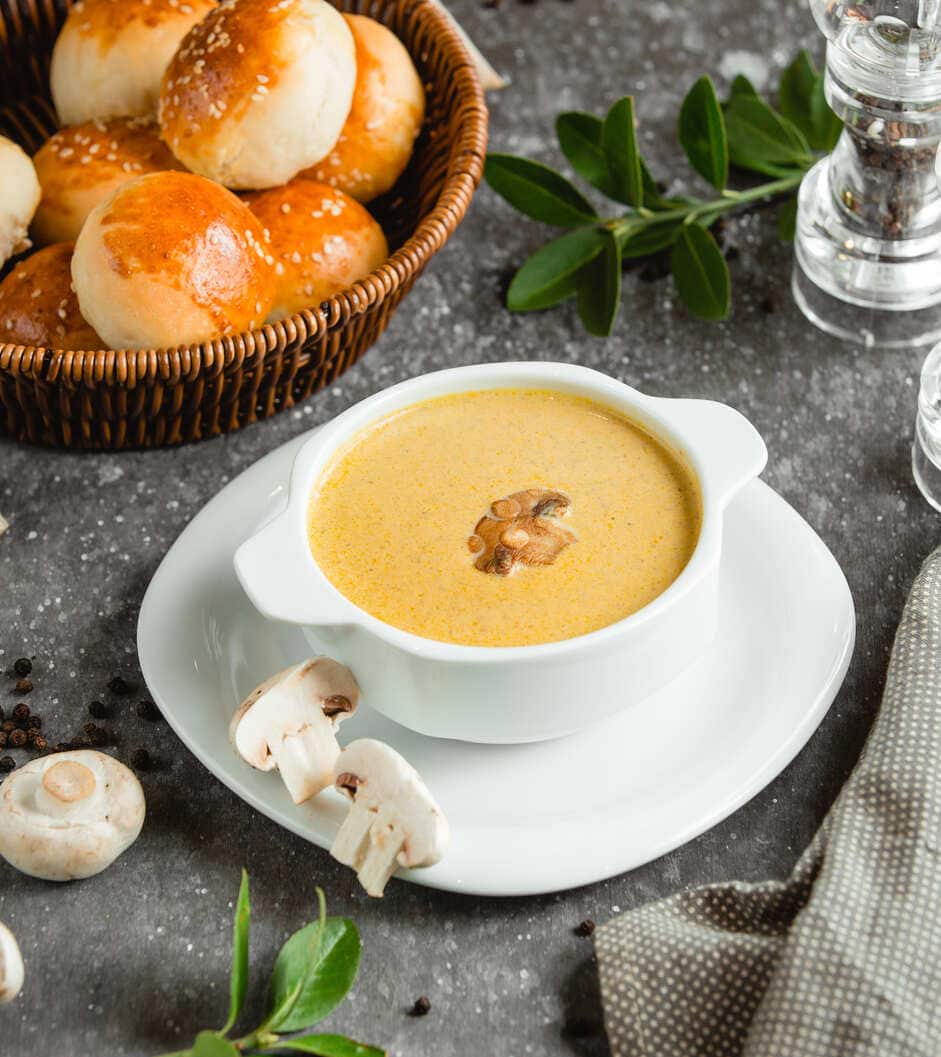
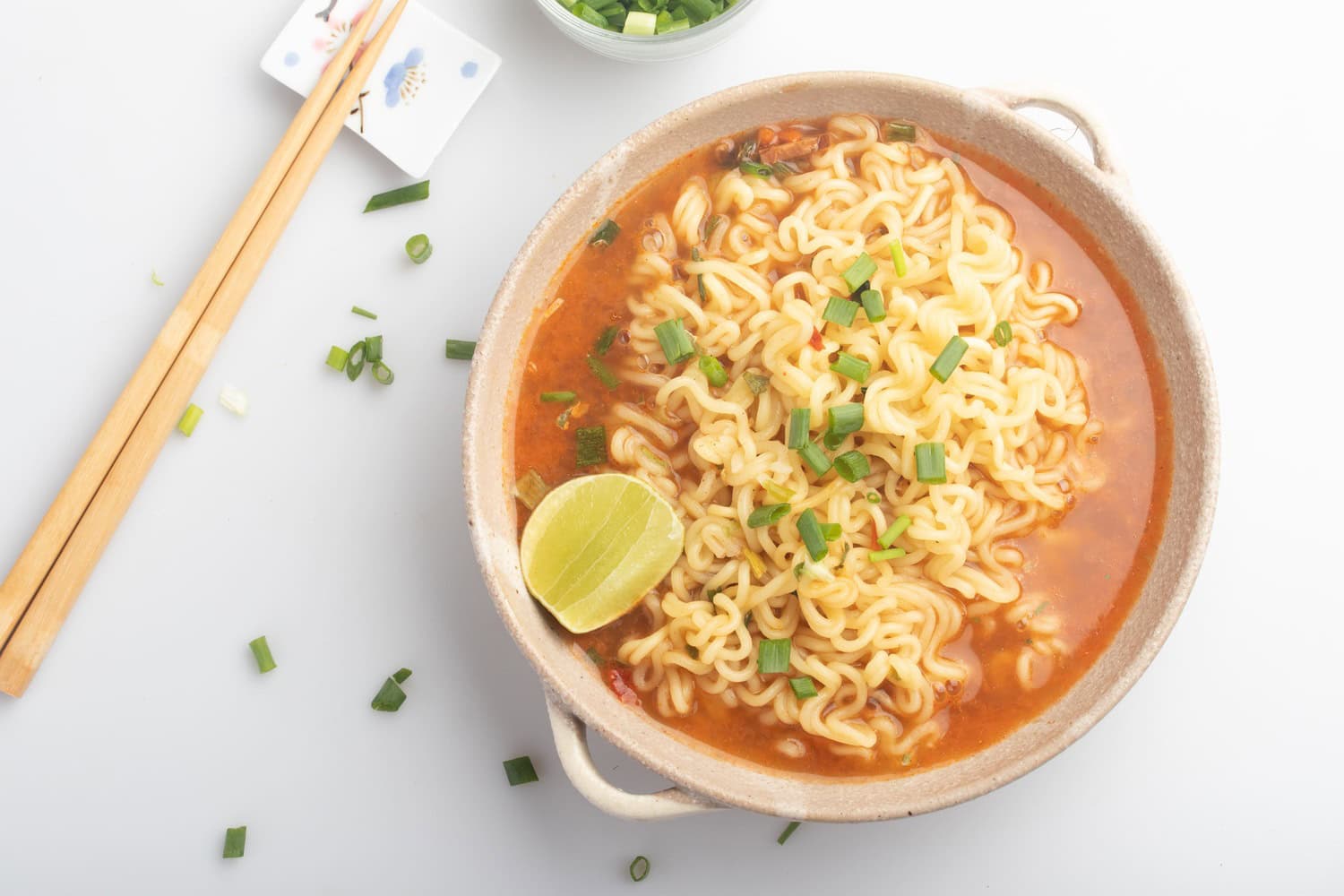
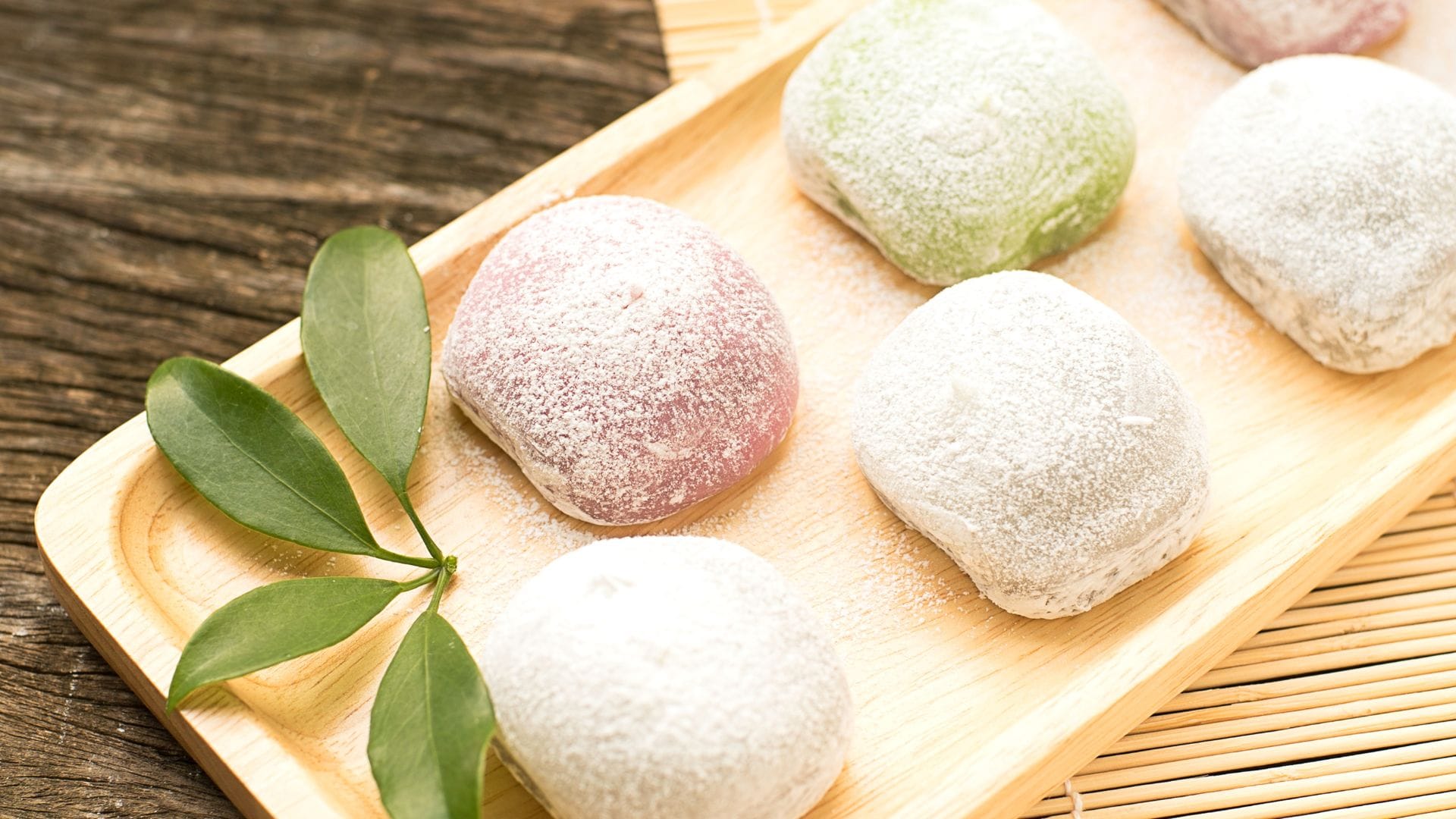
Treated with oxidizing agents, this starch has altered viscosity and stability, making it suitable for use as a thickener and stabilizer in products like sauces, soups, and desserts.
This is a starch that has been treated with enzymes to break down its structure, which improves its solubility and thickening properties. It is commonly used in products requiring gel formation at lower temperatures.
Modified with phosphate groups to enhance its stability against heat, acid, and freezing, this starch is ideal for products that undergo severe processing conditions, such as canned foods.
Further stabilized by the introduction of more phosphate groups, this starch is used in foods that require long shelf lives and stability through freeze-thaw cycles, such as frozen meals.
This starch is modified to resist high temperatures and acidic conditions, making it useful in products like pie fillings and sauces that need to maintain consistency after cooking.
Treated with acetic anhydride, this starch becomes less gelatinous and more stable, suited for foods that need a clear, stable thickening agent.
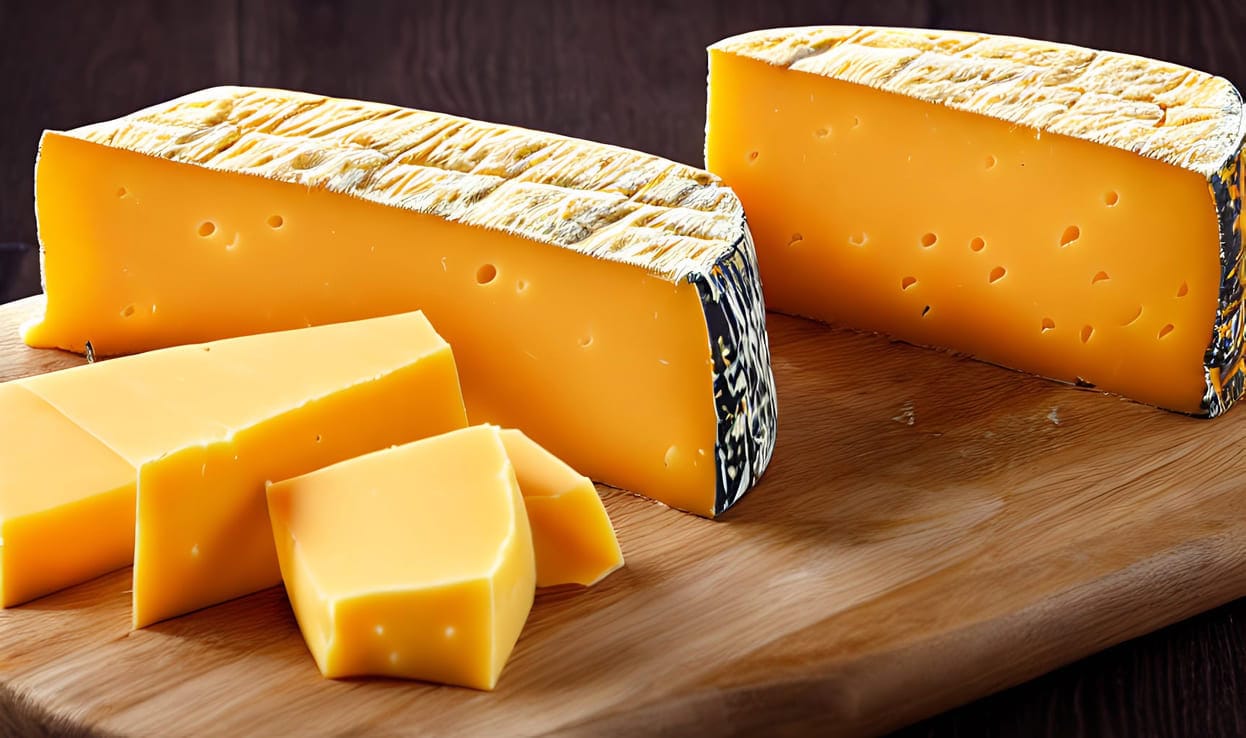
With enhanced resistance to high temperatures and varying pH levels, this starch is particularly useful in processed cheese and dressings.
Hydroxypropylation changes the structure of starch, increasing its solubility at higher temperatures and improving freeze-thaw stability, perfect for frozen bakery products. E-1440 starch resists heat, acid, and shear, ideal for processed foods.
This starch is treated to be both hydroxypropylated and cross-linked with phosphate, enhancing its tolerance to heat and shear conditions, often used in products like ketchup and other condiments.
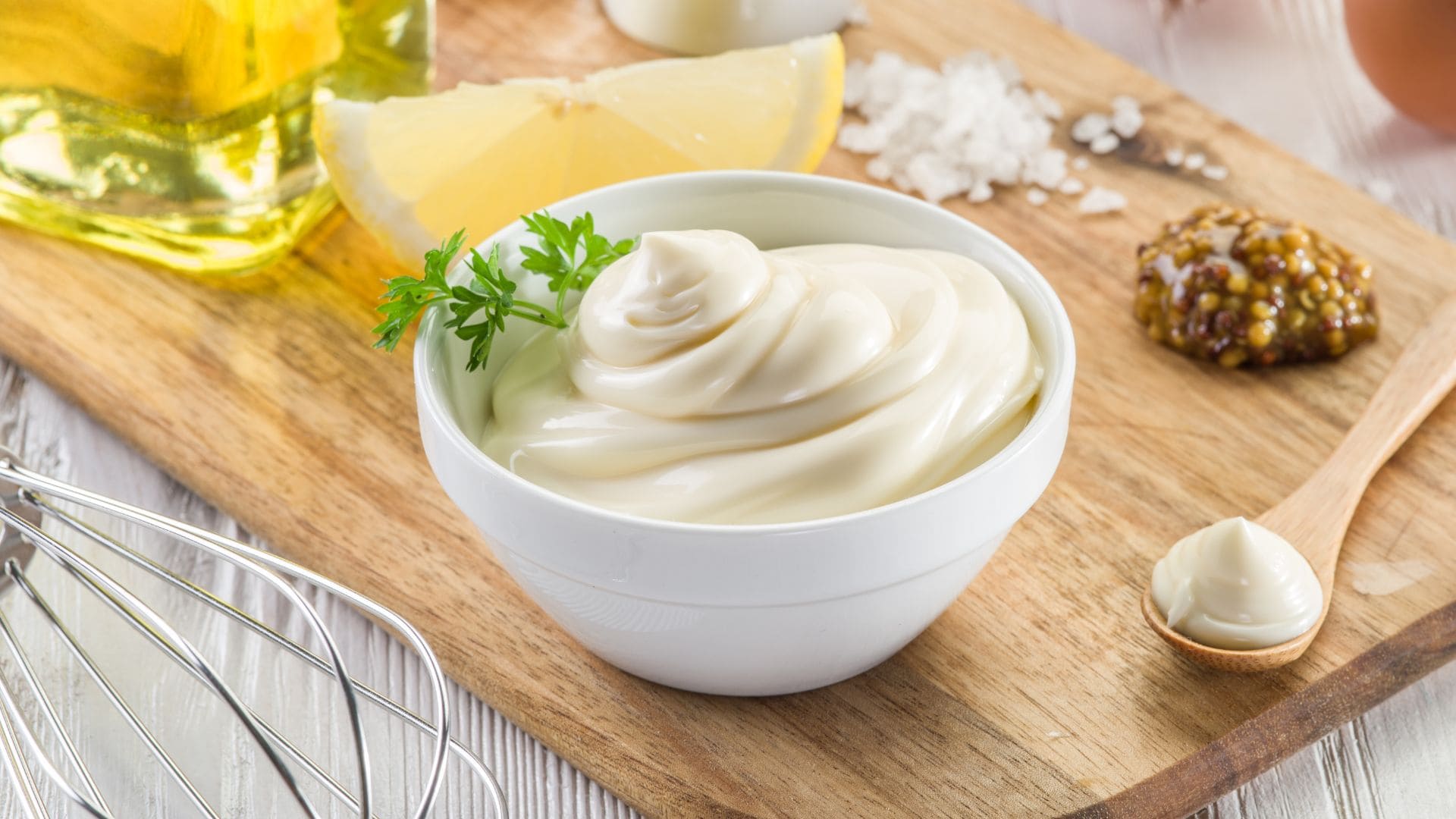
Known for its emulsifying properties, this starch is commonly used in cream fillings and sauces, helping to distribute fat evenly and maintain a uniform texture.
The starch undergoes a sophisticated modification process involving enzymatic treatment, physical alteration, and chemical methods. This tailored approach ensures optimal performance characteristics suitable for specific applications.
The enhanced formulation of our modified tapioca starch offers superior performance compared to traditional starches. It provides better resistance to extreme processing conditions such as high temperatures and mechanical shear, improves the texture and clarity of final products, and offers a more consistent quality.
This versatile modified starch is ideal for a wide range of applications, including food products like soups, sauces, and baked goods, as well as in non-food sectors such as paper manufacturing, textiles, and adhesives.